I’ve always believed that you can learn the most about a brand by spending time where the ideas are born—at the designers’ worktables. It’s one thing to see the final product polished and ready for sale, but it’s another to witness the scattered sketches, the fabric swatches, and the tools that carry the fingerprints of countless hours. When I visited the studio where Vivobarefoot brings its creations to life, I was struck not by grand statements but by the quiet, obsessive attention to detail that makes their shoes what they are.
The first thing I noticed was how alive the workspace felt. On one side, there were models of soles in various stages of refinement, each slightly different in thickness or pattern. On the other side, notebooks filled with hand-drawn designs, sometimes scratched out and redrawn again, told the story of iteration. It wasn’t about chasing perfection in the abstract—it was about testing how the foot bends, how the ground responds, and how to give wearers that natural connection they often don’t realize they’re missing until they put on a pair of Vivobarefoot shoes.
At the back of the room, one of the designers showed me a prototype that hadn’t yet been released. It was raw and unfinished, the stitching exposed, the colors not yet finalized. But holding it, I felt something powerful: the product already carried the spirit of intention. It wasn’t just about creating footwear, it was about restoring a relationship—between people and the earth beneath them. The designer explained how each choice, from the lightweight materials to the breathable mesh, was filtered through a simple question: does this allow the body to move naturally?
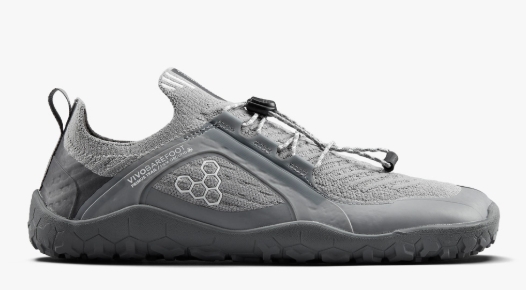
What touched me most was the way the team spoke about failure. They didn’t see discarded versions as wasted effort. Instead, every flawed sole and every rejected cut of fabric was a step toward something better. The process itself seemed to mirror the philosophy behind the brand: progress is about stripping back what’s unnecessary, focusing on what’s essential, and building from there. Watching this unfold reminded me that a shoe can be more than something to walk in—it can be a lesson in how to live with intention.
It’s easy, from the outside, to think of footwear as a fashion choice. But in the Vivobarefoot studio, I saw that every pair begins with a purpose. The designers weren’t asking how to follow trends—they were asking how to change the way we move through the world. That’s why their products often feel like more than an accessory. They become part of your everyday rhythm, almost invisible in their comfort but deeply grounding in their philosophy.
When I left, I found myself reflecting on the way this care and intentionality reach us as customers. We rarely think about the early sketches or the moments of doubt behind the shoes we wear. Yet when I lace up my own pair, I can feel that invisible story stitched into the fabric. It makes me walk differently—not just lighter on my feet but more aware of what’s beneath them. And that’s why I keep returning to vivobarefoot shoes australia. They remind me that the best designs are not just seen, but felt, born from countless hours of work at a designer’s table where every detail matters.